

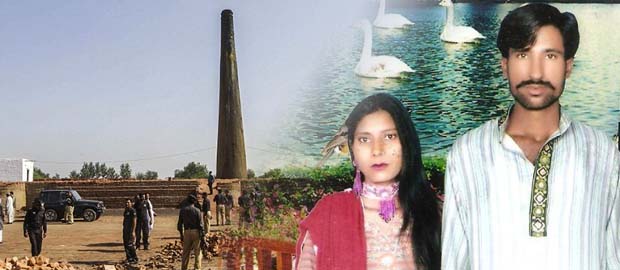
Shahzad Masih and Shama Bibi: The Couple Whose Deaths Exposed the Dangers of Mob Violence in Pakistan
Shahzad Masih and Shama Bibi: The Couple Whose Deaths Exposed the Dangers of Mob Violence in Pakistan PUNJAB, PAKISTAN — On November 4, 2014, Pakistan witnessed one of the most horrific acts of mob violence in its recent history when Shahzad Masih and his wife Shama Bibi, a Christian couple from Punjab Province, were brutally killed after being accused of blasphemy. The attack shocked the nation and drew widespread international condemnation, becoming a defining example of the devastating consequences that can arise when allegations are met with vigilante violence instead of lawful judicial processes. Shahzad, 28, and Shama, 24, worked at a brick kiln in Kot Radha Kishan, where they lived with their young children. According to investigations, rumors spread within the local community alleging that the couple had burned pages containing verses from the Qur’an. Before authorities could effectively intervene, announcements from local mosques reportedly attracted hundreds of people to the area. The crowd quickly grew into a violent mob that surrounded the couple. Witnesses stated that Shahzad and Shama attempted to escape but were captured, beaten, and subjected to extreme violence before being killed. Shama was reportedly pregnant at the time of her death. The killings devastated the couple’s family, leaving their children orphaned and drawing attention to the human cost of religiously motivated violence. Human rights organizations emphasized that regardless of the allegations involved, every individual is entitled to due process, legal representation, and protection under the law. No accusation should result in extrajudicial punishment or mob violence. The case became a powerful reminder of the vulnerability of religious minorities facing blasphemy allegations in Pakistan. Pakistani authorities launched an extensive investigation following the incident, resulting in the arrest of dozens of suspects. In subsequent court proceedings, multiple individuals were convicted for their roles in the killings, with several receiving death sentences and others receiving prison terms. Rights advocates welcomed the convictions while stressing that accountability must extend beyond punishment to include measures that prevent similar incidents from occurring. Experts continue to argue that effective law enforcement, rapid intervention against incitement, and public awareness are essential to reducing the risk of future mob attacks. The deaths of Shahzad and Shama remain a symbol of the broader challenges surrounding religious intolerance, mob justice, and the protection of minority communities. Human rights organizations have repeatedly called for stronger safeguards against false accusations, improved witness protection, and greater enforcement of laws designed to prevent collective violence. Advocates also emphasize the importance of promoting interfaith dialogue, respect for the rule of law, and equal protection for all citizens regardless of religion or belief. Equiis remembers Shahzad Masih and Shama Bibi with deep respect and honors their memory as victims of a profound human rights tragedy. Their deaths underscore the importance of protecting every individual’s right to life, dignity, and a fair legal process. Allegations of criminal conduct must always be addressed through impartial investigations and independent courts—not through violence or collective punishment. Equiis calls on governments, civil society, and international partners to continue strengthening legal protections for vulnerable communities, combating religiously motivated violence, and ensuring that justice is guided by evidence, accountability, and respect for fundamental human rights. The legacy of Shahzad and Shama reminds us that justice is strongest when the rule of law prevails over fear, hatred, and violence.