Author name: admin

Persecution

Delayed Wages and Financial Hardship Linked to Tragic Death of Christian Laborer in Punjab, Pakistan

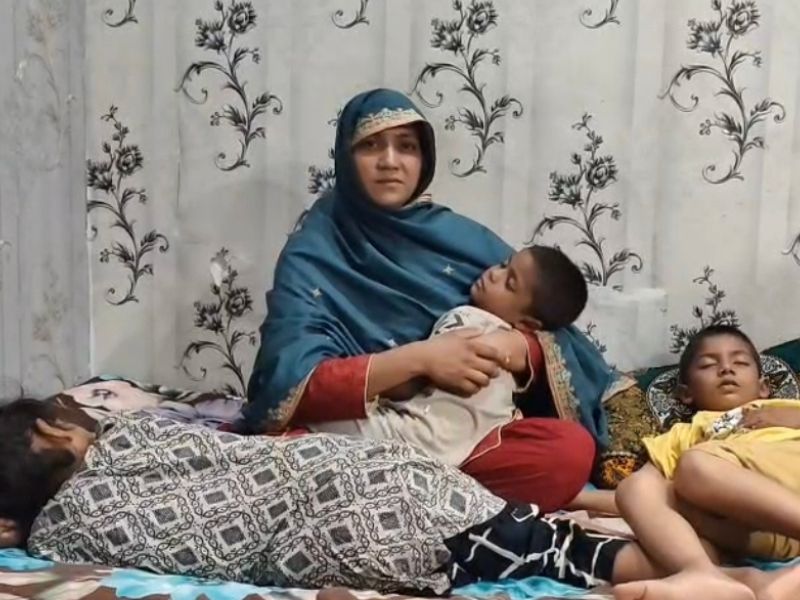
Delayed Wages and Financial Hardship Linked to Tragic Death of Christian Laborer in Punjab, Pakistan PUNJAB, PAKISTAN — The death of a Christian laborer in Pakistan’s Punjab Province has sparked renewed concerns about labor exploitation, delayed wage payments, and the economic vulnerability faced by many low-income workers from religious minority communities. According to local reports, a Christian worker allegedly took his own life after enduring months of financial hardship linked to unpaid wages. Family members and community leaders claim that repeated delays in salary payments left him unable to provide for his household, placing immense emotional and economic pressure on him. The incident has drawn attention to the broader challenges faced by daily wage earners and low-income workers who often struggle to secure timely compensation for their labor. Family Left Facing Uncertainty Relatives of the deceased described a prolonged period of financial distress leading up to the tragedy. According to those close to the family, the worker had repeatedly sought payment for work already completed but was unable to recover the wages he was owed. As debts accumulated and household expenses increased, family members say he became increasingly concerned about meeting basic needs, including food, utility bills, and educational expenses for his children. The death has left behind a grieving family now facing significant financial uncertainty. A Broader Labor Rights Concern Human rights advocates note that delayed or withheld wages remain a serious issue for many vulnerable workers across Pakistan. Laborers employed in informal sectors often have limited legal protections and may struggle to seek redress when employers fail to meet their obligations. Religious minorities, including Christians, are frequently represented in lower-income occupations and hazardous labor sectors, making them particularly vulnerable to economic exploitation and workplace abuses. Advocates argue that timely payment of wages is not merely an employment matter but a fundamental issue of human dignity and human rights. Calls for Accountability and Reform The incident has prompted calls for authorities to investigate the circumstances surrounding the case and examine whether labor laws were violated. Community leaders and rights organizations are urging stronger enforcement of wage protection regulations, improved oversight of employers, and greater support systems for workers experiencing financial crises. They emphasize that no individual should be driven into despair because of unpaid earnings for work already performed. Protecting Vulnerable Workers Labor rights experts stress that delayed wages can have devastating consequences for families living paycheck to paycheck. Without savings or social safety nets, even a short interruption in income can lead to debt, food insecurity, housing instability, and severe psychological stress. Human rights advocates continue to call for reforms that ensure fair treatment, timely compensation, and equal economic opportunities for all workers regardless of their religion, ethnicity, or social background. Equiis Statement Equiis expresses its deepest condolences to the family affected by this tragedy. This case serves as a stark reminder that economic injustice can have profound human consequences. Every worker deserves fair treatment, timely compensation, and the ability to provide for their family with dignity. Equiis urges authorities to thoroughly investigate the circumstances surrounding this case and to strengthen protections for vulnerable workers who remain at risk of exploitation and financial hardship.

Persecution

Missing Christian Girl in Pakistan Feared Victim of Trafficking After Alleged Abduction and Forced Conversion

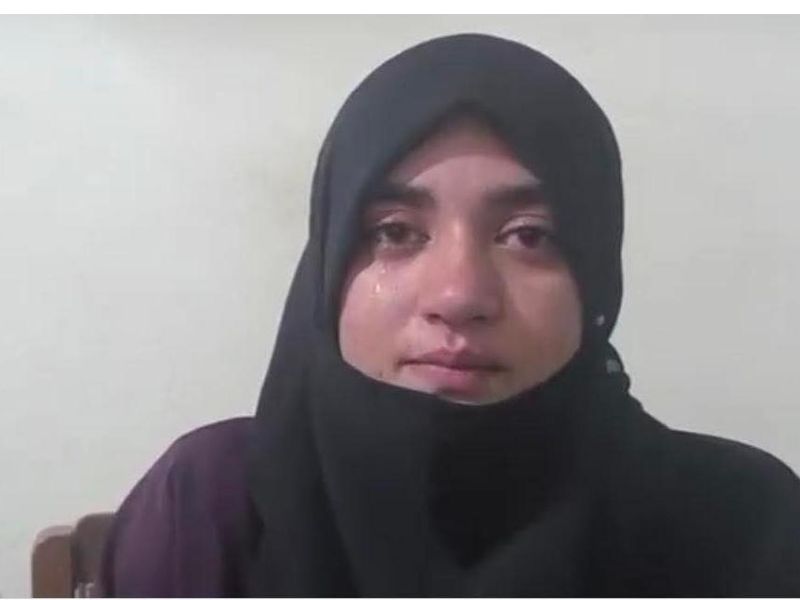
Missing Christian Girl in Pakistan Feared Victim of Trafficking After Alleged Abduction and Forced Conversion LAHORE, Pakistan — Human rights advocates and family members are expressing growing concern for the safety of a 13-year-old Christian girl who disappeared from Pakistan’s Punjab Province and is now feared to be at risk of trafficking following an alleged abduction, forced conversion, and marriage to a significantly older man. Maryam Asif Masih, a resident of Vehari District, reportedly went missing on April 23, 2026. According to her family, she was taken by a 41-year-old married man who had previously gained the trust of her mother by offering to teach the child vocational skills that could help support the family’s financial needs. Maryam’s mother, Maria Asif, stated that she learned of her daughter’s disappearance after returning home from work. The family immediately reported the case to local police and requested urgent action to recover the child. However, relatives allege that authorities failed to conduct an effective investigation during the critical early stages of the case. Family Challenges Claims of Conversion and Marriage The case took a troubling turn when reports emerged that Maryam had allegedly converted to Islam and entered into a marriage with the accused individual. According to documents cited by the family, Maryam reportedly appeared before a magistrate and stated that she was an adult acting of her own free will. Her relatives strongly dispute those claims. The family maintains that Maryam was born in November 2013 and is only 13 years old. They argue that official records clearly establish her age and that any purported conversion or marriage involving a child cannot be considered genuinely voluntary. Human rights advocates have long warned that underage girls from religious minority communities in Pakistan are particularly vulnerable to abduction, coercive religious conversions, and forced marriages. International organizations and legal experts have repeatedly raised concerns about cases in which courts accept disputed age claims while families struggle to secure the return of minor children. Fears of Human Trafficking Maryam’s family now fears that she may be at risk of trafficking and exploitation. Relatives have reportedly raised concerns about allegations that the accused individual may have been involved in similar activities involving other vulnerable girls. These allegations have intensified calls for a thorough and independent investigation. The case highlights ongoing concerns regarding the protection of minority girls in Pakistan, particularly those from economically disadvantaged Christian families. Rights groups continue to document incidents in which families report difficulties obtaining timely police intervention after allegations of abduction and forced conversion. Growing Calls for Accountability Advocates for religious freedom and child protection are urging Pakistani authorities to conduct a comprehensive investigation, verify the girl’s age through official documentation, ensure her safety, and uphold domestic and international child protection standards. The case has renewed broader concerns regarding the vulnerability of religious minority girls to exploitation, forced marriage, and coercive conversion practices. Human rights organizations continue to call for stronger legal safeguards, effective law enforcement responses, and greater accountability in cases involving minors. As Maryam’s family continues its search for answers, advocates say the priority must remain the protection, welfare, and fundamental rights of the child.

Persecution

Christian Believer Assaulted in Bangladesh Amid Growing Concerns Over Religious Freedom

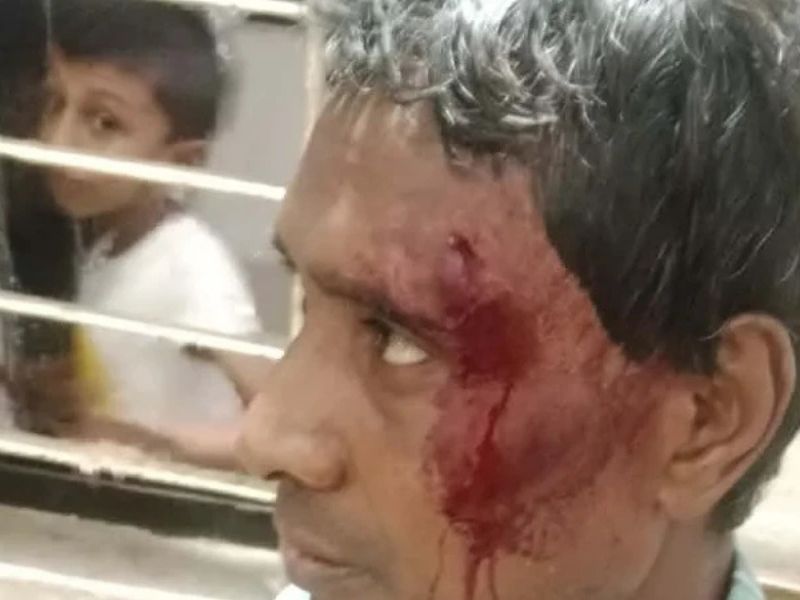
Christian Believer Assaulted in Bangladesh Amid Growing Concerns Over Religious Freedom BANGLADESH — Human rights advocates and religious freedom organizations have expressed concern following reports that a Christian believer in Bangladesh was physically assaulted because of his faith, highlighting the challenges that some religious minorities continue to face in parts of the country. According to reports, the victim was attacked after openly practicing and sharing his Christian faith within his local community. The assault reportedly left him injured and has raised fresh concerns about the safety and protection of religious minorities, particularly those living in rural and socially vulnerable areas. Community members and local Christian leaders have condemned the attack and called on authorities to ensure the victim’s safety while conducting a thorough investigation into the incident. Concerns Over Religious Intolerance The assault has drawn attention to broader concerns regarding religious intolerance and hostility faced by some minority faith communities in Bangladesh. Although Bangladesh’s constitution guarantees freedom of religion, rights advocates note that isolated incidents of harassment, intimidation, and violence against religious minorities continue to occur. Individuals who convert from a majority faith background or who actively share their religious beliefs may face social pressure, discrimination, or threats from members of their communities. Human rights defenders stress that freedom of religion includes the right to adopt, change, practice, and express one’s faith without fear of violence or retaliation. Calls for Investigation and Protection Local Christian leaders and advocacy organizations have urged authorities to investigate the assault and hold those responsible accountable under the law. They emphasize that prompt action is necessary not only to deliver justice for the victim but also to reinforce protections for all religious communities and prevent future incidents. Advocates further note that attacks motivated by religious hostility can have a chilling effect on entire communities, discouraging individuals from freely exercising their fundamental rights. Challenges Facing Minority Communities Religious minorities in Bangladesh, including Christians, Hindus, Buddhists, and indigenous faith groups, have periodically reported incidents involving discrimination, social exclusion, property disputes, and targeted harassment. While many communities coexist peacefully, human rights organizations continue to monitor cases in which individuals face hostility because of their religious identity or beliefs. Experts argue that strengthening legal protections, promoting interfaith dialogue, and ensuring accountability for acts of violence are essential steps toward building a more inclusive and tolerant society. Equiis Statement Equiis condemns all acts of violence committed on the basis of religion or belief. Every individual has the fundamental right to practice, express, and share their faith peacefully without fear of intimidation, discrimination, or physical harm. Authorities must ensure that allegations of religiously motivated violence are thoroughly investigated and that victims receive appropriate protection and support. Equiis stands in solidarity with all individuals and communities facing persecution because of their beliefs and calls for greater efforts to promote religious freedom, tolerance, and human dignity. Freedom of belief is a fundamental human right that must be protected for everyone, everywhere.

Persecution

Christian Man Shot by Police in Pakistan, Sparking Calls for Accountability

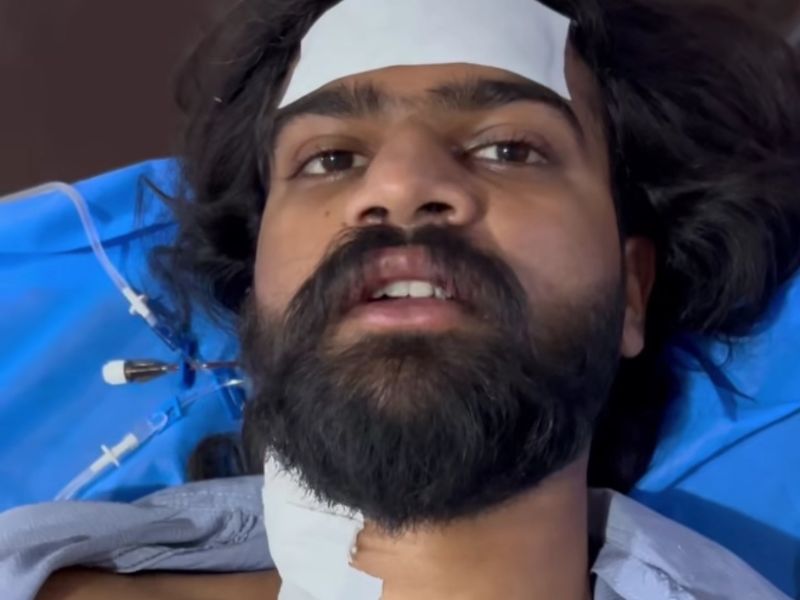
Christian Man Shot by Police in Pakistan, Sparking Calls for Accountability PUNJAB, PAKISTAN — Human rights advocates are calling for a transparent investigation after a Christian man was reportedly shot by police during an incident in Pakistan’s Punjab Province, raising concerns about the use of force and the treatment of religious minorities within the criminal justice system. According to local reports, the victim sustained serious injuries after being shot by police officers during an operation that remains under investigation. Family members and community representatives have questioned the circumstances surrounding the shooting and are demanding accountability from authorities. The incident has generated concern among rights organizations, which stress that law enforcement agencies must operate within the bounds of the law and respect the fundamental rights of all citizens regardless of their religious background. Family Seeks Answers Relatives of the injured man have called for a thorough and impartial inquiry into the incident, arguing that important questions remain unanswered regarding the events that led to the shooting. Community leaders say the family is seeking justice and transparency while ensuring that the victim receives appropriate medical care and legal support. Human rights advocates emphasize that any use of lethal or potentially lethal force by law enforcement must be subject to independent review and oversight. Concerns Over Protection of Minority Communities The case has renewed discussion about the challenges faced by members of religious minority communities in Pakistan, including concerns regarding discrimination, unequal treatment, and limited access to justice. Christian organizations and rights groups have long advocated for stronger safeguards to ensure that minority citizens receive equal protection under the law and that allegations of misconduct by public officials are investigated fairly and impartially. Advocates argue that accountability is essential not only for victims and their families but also for maintaining public trust in law enforcement institutions. Calls for Independent Investigation Legal experts and human rights defenders are urging authorities to conduct a comprehensive investigation into the circumstances of the shooting, including an examination of whether established procedures and legal standards were followed. They emphasize that transparency and due process are necessary to ensure public confidence in the outcome of the investigation and to prevent future incidents. Rights advocates further note that all citizens, regardless of faith or social status, are entitled to equal protection, fair treatment, and respect for their fundamental human rights. Equiis Statement Equiis is deeply concerned by reports of the shooting and supports calls for an independent, transparent, and impartial investigation. Any incident involving the use of force by law enforcement must be carefully reviewed to determine the facts and ensure accountability where necessary. Respect for human dignity, equal treatment under the law, and the protection of fundamental rights are essential principles of a just society. Equiis stands with all individuals seeking truth, justice, and accountability and will continue to monitor developments in this case. Justice requires transparency, accountability, and equal protection for every citizen.

Persecution

Christian Family in Pakistan Continues Search for Justice After Daughter’s Alleged Abduction

Christian Family in Pakistan Continues Search for Justice After Daughter’s Alleged Abduction PUNJAB, PAKISTAN — A Christian family in Pakistan is continuing its legal battle for justice after their teenage daughter was allegedly abducted, forcibly converted, and married against her will, a case that has drawn concern from human rights advocates and religious freedom organizations. The family says their daughter disappeared under suspicious circumstances before later being presented as having voluntarily converted to Islam and entered into marriage. Her parents strongly reject those claims and maintain that she was a minor at the time of her disappearance. The case has become part of a broader conversation about the vulnerability of religious minority girls in Pakistan and the challenges families often face when seeking legal protection and justice. Family Challenges Official Narrative According to the girl’s family, official records, including birth and educational documents, indicate that she was underage when she was allegedly taken from her home. They argue that any purported conversion or marriage involving a minor cannot be considered lawful or genuinely voluntary. The family has spent years pursuing legal remedies through the courts, seeking recognition of their daughter’s age and a full investigation into the circumstances surrounding her disappearance. Human rights advocates supporting the family have called for authorities to carefully review all evidence and ensure that the rights and welfare of the young woman remain the primary concern. The family says their daughter disappeared under suspicious circumstances before later being presented as having voluntarily converted to Islam and entered into marriage. Her parents strongly reject those claims and maintain that she was a minor at the time of her disappearance. The case has become part of a broader conversation about the vulnerability of religious minority girls in Pakistan and the challenges families often face when seeking legal protection and justice. Concerns Over Forced Conversions and Child Marriage The case has renewed concerns regarding reports of forced conversions and child marriages involving girls from religious minority communities. Rights groups have documented numerous cases in which Christian, Hindu, and other minority families allege that underage girls were abducted and subsequently presented as adults who willingly converted and married. In many cases, disputes arise over age documentation, consent, and the circumstances under which statements are obtained. Advocates argue that stronger safeguards are needed to protect vulnerable children and ensure that age verification processes are accurate, transparent, and consistent. Human Rights Organizations Call for Reform Human rights defenders continue to urge Pakistan’s authorities to strengthen protections for minors, improve investigative procedures in abduction cases, and ensure that all allegations of coercion are thoroughly examined. Legal experts emphasize that cases involving children require special protections and that courts must carefully evaluate evidence relating to age, consent, and potential coercion before reaching conclusions. They further stress that international child protection principles require the best interests of the child to remain central in all legal proceedings. The Ongoing Pursuit of Justice For the family, the case represents more than a legal dispute—it is a deeply personal struggle to secure justice and accountability for their daughter. Despite years of legal challenges and setbacks, they continue to seek recognition of what they believe occurred and hope that the justice system will ultimately provide a fair and impartial resolution. Their determination has drawn support from faith leaders, civil society organizations, and human rights advocates who view the case as emblematic of wider concerns affecting vulnerable minority communities. Equiis Statement Equiis stands in solidarity with families seeking justice in cases involving alleged abduction, coercion, child marriage, and violations of fundamental human rights. Every child deserves protection, safety, and the opportunity to live free from exploitation and coercion. Authorities have a responsibility to ensure that allegations are thoroughly investigated, that evidence is carefully examined, and that the rights of vulnerable individuals are fully protected. Equiis calls for transparency, accountability, and a commitment to safeguarding the rights and dignity of all children, regardless of their religious or social background. Justice for one vulnerable child helps strengthen protections for countless others.

Persecution

Activists and Legal Experts Raise Concerns Over Alleged Forged Documents in Maria Shahbaz Case

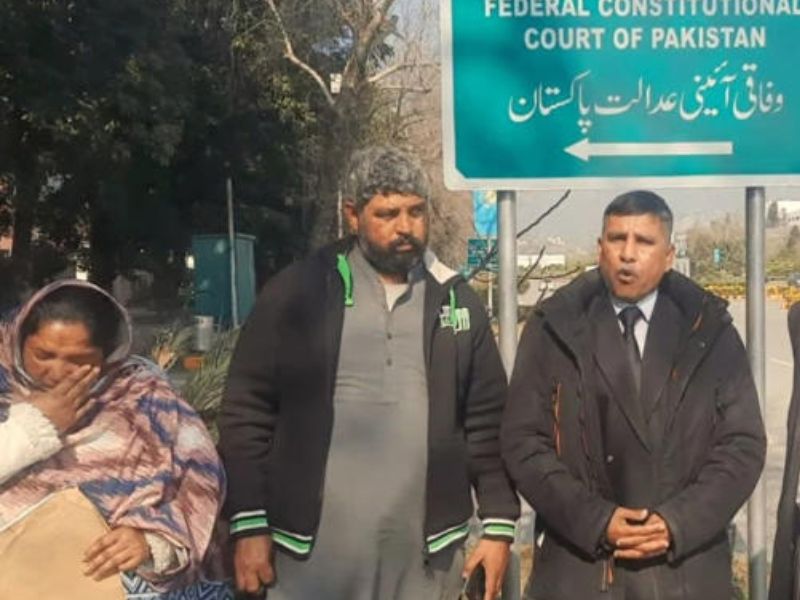
Activists and Legal Experts Raise Concerns Over Alleged Forged Documents in Maria Shahbaz Case ISLAMABAD, PAKISTAN — Human rights activists, legal experts, and religious freedom advocates are raising serious concerns over allegations that forged documents may have been used in the controversial case of Maria Shahbaz, a Christian woman whose case has drawn national and international attention. The allegations have renewed debate about the protection of religious minority women and girls in Pakistan, particularly in cases involving claims of conversion, marriage, and disputed identity documents. Questions Surrounding Official Records According to legal representatives and human rights advocates involved in the case, significant discrepancies have reportedly emerged between official records and documents presented during legal proceedings. Activists claim that some documents used to support key aspects of the case may contain inaccurate or altered information regarding Maria Shahbaz’s identity and circumstances. Legal experts have called for an independent review of all documentation submitted to authorities and courts to determine their authenticity. They argue that the integrity of legal proceedings depends on ensuring that evidence presented before courts is accurate, verifiable, and free from manipulation. Calls for an Independent Investigation Human rights organizations have urged Pakistani authorities to conduct a transparent and impartial investigation into the allegations. Advocates stress that any claims involving forged documents should be thoroughly examined to maintain public confidence in the justice system. Legal observers note that allegations of document manipulation can have serious consequences, particularly in sensitive cases involving vulnerable individuals and religious minorities. Several advocacy groups have emphasized that establishing the facts is essential not only for the parties directly involved but also for the broader protection of due process and the rule of law. Concerns for Religious Minority Women The case has once again highlighted concerns raised by civil society organizations regarding the vulnerability of Christian and other minority women and girls in Pakistan. Rights advocates have repeatedly documented cases involving disputed conversions, contested marriages, age discrepancies, and allegations of coercion. In many instances, families and legal representatives have argued that official records were inconsistent or failed to reflect verified information. Human rights defenders continue to call for stronger safeguards to ensure that minority women and girls receive equal protection under the law and that their rights are fully respected throughout legal proceedings. Importance of Due Process Legal experts involved in the discussion stress that allegations alone should not determine the outcome of any case. Instead, courts and investigators must carefully examine all available evidence and ensure that decisions are based on verified facts and established legal standards. They argue that transparency, accountability, and independent review are essential components of a fair justice system, particularly in cases that attract significant public attention.

Persecution

Missing Christian Girl in Pakistan Feared Victim of Trafficking After Alleged Abduction and Forced Conversion

Missing Christian Girl in Pakistan Feared Victim of Trafficking After Alleged Abduction and Forced Conversion LAHORE, Pakistan — Human rights advocates and family members are expressing growing concern for the safety of a 13-year-old Christian girl who disappeared from Pakistan’s Punjab Province and is now feared to be at risk of trafficking following an alleged abduction, forced conversion, and marriage to a significantly older man. Maryam Asif Masih, a resident of Vehari District, reportedly went missing on April 23, 2026. According to her family, she was taken by a 41-year-old married man who had previously gained the trust of her mother by offering to teach the child vocational skills that could help support the family’s financial needs. Maryam’s mother, Maria Asif, stated that she learned of her daughter’s disappearance after returning home from work. The family immediately reported the case to local police and requested urgent action to recover the child. However, relatives allege that authorities failed to conduct an effective investigation during the critical early stages of the case. Family Challenges Claims of Conversion and Marriage The case took a troubling turn when reports emerged that Maryam had allegedly converted to Islam and entered into a marriage with the accused individual. According to documents cited by the family, Maryam reportedly appeared before a magistrate and stated that she was an adult acting of her own free will. Her relatives strongly dispute those claims. The family maintains that Maryam was born in November 2013 and is only 13 years old. They argue that official records clearly establish her age and that any purported conversion or marriage involving a child cannot be considered genuinely voluntary. Human rights advocates have long warned that underage girls from religious minority communities in Pakistan are particularly vulnerable to abduction, coercive religious conversions, and forced marriages. International organizations and legal experts have repeatedly raised concerns about cases in which courts accept disputed age claims while families struggle to secure the return of minor children. Fears of Human Trafficking Maryam’s family now fears that she may be at risk of trafficking and exploitation. Relatives have reportedly raised concerns about allegations that the accused individual may have been involved in similar activities involving other vulnerable girls. These allegations have intensified calls for a thorough and independent investigation. The case highlights ongoing concerns regarding the protection of minority girls in Pakistan, particularly those from economically disadvantaged Christian families. Rights groups continue to document incidents in which families report difficulties obtaining timely police intervention after allegations of abduction and forced conversion. Growing Calls for Accountability Advocates for religious freedom and child protection are urging Pakistani authorities to conduct a comprehensive investigation, verify the girl’s age through official documentation, ensure her safety, and uphold domestic and international child protection standards. The case has renewed broader concerns regarding the vulnerability of religious minority girls to exploitation, forced marriage, and coercive conversion practices. Human rights organizations continue to call for stronger legal safeguards, effective law enforcement responses, and greater accountability in cases involving minors. As Maryam’s family continues its search for answers, advocates say the priority must remain the protection, welfare, and fundamental rights of the child.

Persecution

Christian Nurse Aliya Daniel and Family in Hiding Following Sexual Assault and Fabricated Blasphemy Charges in Karachi

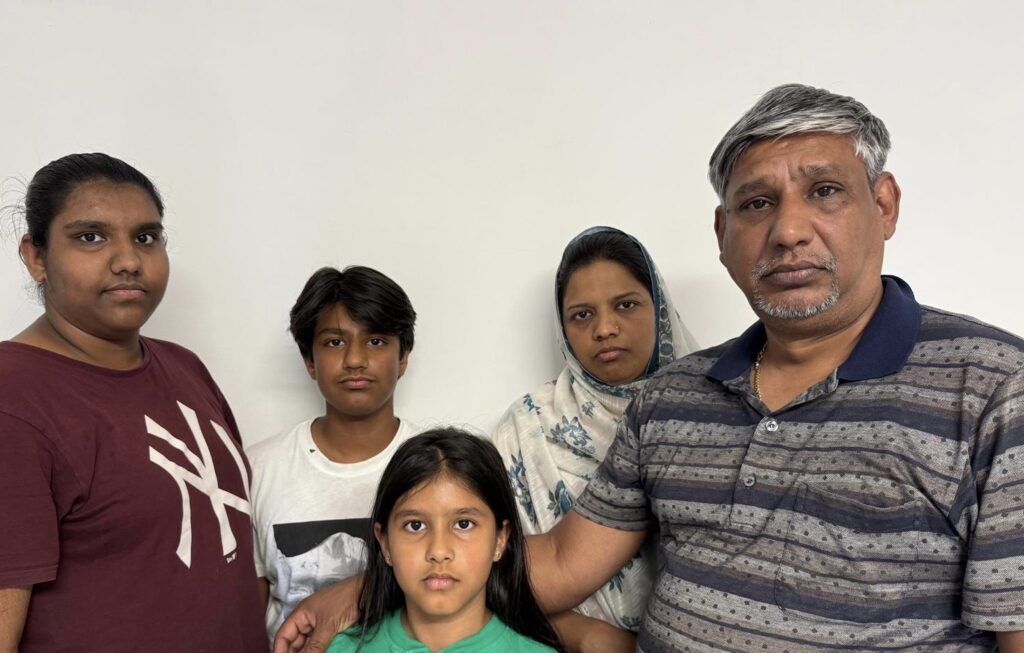
Christian Nurse Aliya Daniel and Family in Hiding Following Sexual Assault and Fabricated Blasphemy Charges in Karachi ISLAMABAD, Pakistan — A Christian nurse and her family of five are in deep hiding under protective custody after surviving a violent sexual assault, blackmail, and a subsequent fabricated blasphemy accusation in Karachi. Aliya, a dedicated nurse with over 14 years of professional experience, and her husband, Daniel, fled Karachi with their three children after an extremist mob targeted their home. The family is currently seeking safety in Islamabad as local authorities confirm a formal police charge (FIR) and a religious decree (fatwa) have been issued against her. According to case files documented by Equiis.org, the ordeal began in Karachi, where Aliya worked a part-time evening shift as a private caregiver for a 60-year-old patient, Shakila Bibi. On November 19, the patient’s 30-year-old son, Muhammad Mudassir, sexually assaulted Aliya. Following the assault, Mudassir began blackmailing Aliya, threatening to send video footage he had recorded of the incident to her husband, her family, and post it online unless she agreed to a forced relationship. Terrified of the social stigma, Aliya immediately quit her caregiving job. The resignation did not end the harassment. Mudassir began stalking Aliya, eventually confronting her outside her primary hospital job on December 5, 2024. As Aliya left her shift, Mudassir cornered her and attempted to force her into a one-night stand. When she resisted and firmly rejected his advances, Mudassir threw papers containing Arabic writing onto the ground. He then immediately began shouting to a gathering crowd, falsely accusing Aliya of tearing the pages and insulting the Prophet Muhammad. In Pakistan, public accusations of blasphemy carry the death penalty and frequently incite immediate, extrajudicial mob violence. One of the Christian ambulance drivers helped her escape from the dangerous situation. The safety was temporary. a crowd of protestors armed with iron rods and batons marched toward Aliya’s family home, chanting slogans calling for her execution and threatening to burn the building down. After initially seeking temporary shelter, Aliya and her family fled to Islamabad, where Equiis.org is currently documenting their case and monitoring their safety. Local religious and community leaders have confirmed that an official blasphemy First Information Report (FIR) and a fatwa have been issued against Aliya in Karachi, and advocates warn that no safe house in Pakistan can guarantee long-term protection from extremist groups. Describing life under these active death threats as “impossible,” Aliya’s situation underscores the extreme vulnerability of religious minorities—particularly healthcare workers—to the weaponization of personal malice through the country’s stringent blasphemy laws.

Persecution

Asia Bibi’s Acquittal Upheld, Yet Freedom Remains Out of Reach

Asia Bibi’s Acquittal Upheld, Yet Freedom Remains Out of Reach PAKISTAN — Although Pakistan’s Supreme Court upheld the acquittal of Christian woman Asia Bibi, her release did not immediately bring an end to the years of hardship she endured. Despite being cleared of all charges, security concerns and ongoing threats prevented her from leaving the country for several months, highlighting the risks faced by individuals accused under Pakistan’s blasphemy laws. The case became one of the most internationally recognized examples of the challenges surrounding blasphemy allegations, judicial independence, and the protection of religious minorities in Pakistan. Asia Bibi, a Christian farm worker from Punjab Province, was arrested in 2009 after a dispute with co-workers led to accusations of blasphemy. She was convicted in 2010 and sentenced to death, spending nearly a decade in prison while her legal appeals progressed through Pakistan’s courts. Her case attracted widespread international attention, with governments, religious leaders, and human rights organizations calling for a fair judicial process and respect for the rule of law. In January 2019, Pakistan’s Supreme Court rejected a petition seeking to overturn its earlier judgment that had acquitted Asia Bibi. The Court concluded that the evidence presented during the trial was insufficient to support a conviction and reaffirmed her acquittal, bringing an end to one of Pakistan’s most closely watched legal cases. The ruling represented a significant affirmation of judicial due process and the principle that criminal convictions must be supported by credible evidence. Despite the court’s decision, Asia Bibi remained unable to leave Pakistan immediately because of serious security threats. The high-profile nature of the case prompted widespread protests by extremist groups following her acquittal, leading authorities to implement extraordinary security measures to protect both Asia Bibi and her family. Human rights organizations warned that acquitted individuals accused of blasphemy often continue to face threats, social exclusion, and significant barriers to rebuilding their lives, even after being cleared by the courts. Asia Bibi’s case continues to be cited by legal experts and human rights advocates as an example of the profound consequences that blasphemy accusations can have for those accused. Rights organizations have consistently called for stronger safeguards against false allegations, greater protection for defendants, and measures to ensure that legal proceedings are conducted fairly and free from intimidation. The case also underscored the broader challenges faced by members of religious minority communities in Pakistan, particularly when allegations involving religion become highly politicized. Equiis affirms the importance of judicial independence, due process, and the equal protection of all individuals under the law. The experience of Asia Bibi demonstrates that legal acquittal alone may not be sufficient when individuals continue to face credible threats to their safety. Protecting human rights requires not only fair court proceedings but also effective measures that enable those acquitted to live in security and dignity. Equiis continues to advocate for freedom of religion or belief, protection against false accusations, and equal access to justice for every individual, regardless of faith or background. Justice is fully realized only when legal freedom is accompanied by safety, dignity, and the ability to live without fear.

Human Rights

Remember His Name: Mashal Khan – The Student Killed by a False Blasphemy Accusation

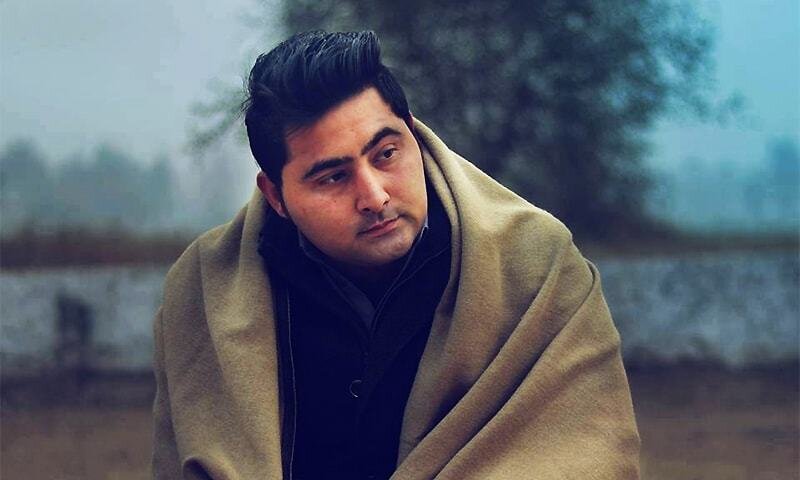
On April 13, 2017, Pakistan lost one of its brightest young minds when 23-year-old university student Mashal Khan was brutally murdered by a mob after being falsely accused of blasphemy. Nearly a decade later, his name remains a powerful symbol of the dangers posed by false blasphemy allegations, mob violence, and the failure to protect innocent people from religiously motivated persecution. A Student Who Asked Questions Mashal Khan was a journalism student at Abdul Wali Khan University in Mardan, Khyber Pakhtunkhwa. Friends and classmates described him as intellectually curious, outspoken, and passionate about social justice. He was known for questioning corruption, advocating for reform, and encouraging critical thinking among his peers. His willingness to challenge wrongdoing reportedly made him unpopular with certain individuals within the university. What followed would ultimately cost him his life. The False Allegations In April 2017, rumors began circulating that Mashal had posted blasphemous content online. Despite the seriousness of the accusations, no credible evidence was presented against him. Subsequent investigations conducted by Pakistani authorities concluded that there was no evidence that Mashal Khan had committed blasphemy. Investigators found that the allegations had been fabricated and used as a tool to silence him and settle personal grievances. However, by the time the truth emerged, it was already too late. Lynched by a Mob On April 13, 2017, a violent mob of students and others stormed Mashal Khan’s university dormitory. He was beaten, stripped, shot, and murdered in a horrific act of mob violence. Videos of the attack shocked Pakistan and the international community. The brutality of the killing highlighted the deadly consequences that can result when accusations of blasphemy are weaponized and individuals are denied due process and protection. A Symbol of a Larger Problem Mashal Khan’s murder was not an isolated incident. Human rights organizations have repeatedly documented how blasphemy allegations in Pakistan are often misused to target religious minorities, settle personal disputes, silence critics, or pursue vendettas. Even when accusations are proven false, those accused frequently face threats, imprisonment, social exclusion, displacement, or death. In many cases, entire families are forced into hiding for their safety. The climate of fear surrounding blasphemy accusations continues to endanger vulnerable individuals across the country. Calls for Justice and Reform Following Mashal’s murder, several perpetrators were prosecuted and convicted. While these convictions represented an important step toward accountability, many advocates argue that deeper reforms are necessary to prevent similar tragedies. Human rights defenders continue to call for stronger protections against false accusations, safeguards for those accused, and measures to combat mob violence and religious extremism. Why We Remember At Equiis.org, we remember Mashal Khan not only as a victim but as a young man whose life was stolen because truth was overwhelmed by hysteria and false allegations. His story serves as a reminder that every individual deserves the right to freedom of thought, expression, education, and due process under the law. As long as false blasphemy accusations continue to place innocent lives at risk, the memory of Mashal Khan remains a call for justice, accountability, and the protection of fundamental human rights. Remember his name. Remember his story. And remember why it must never happen again.

Scroll to Top