
Activists and Legal Experts Raise Concerns Over Alleged Forged Documents in Maria Shahbaz Case
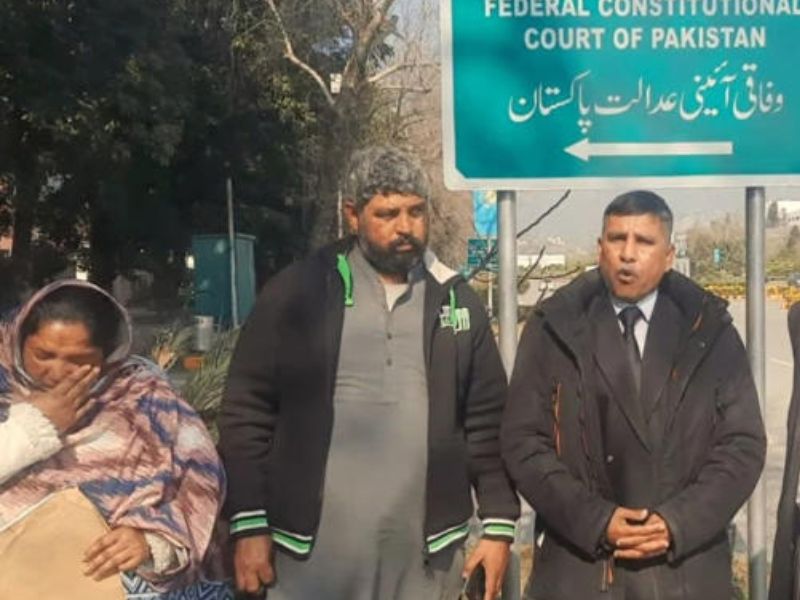
ISLAMABAD, PAKISTAN — Human rights activists, legal experts, and religious freedom advocates are raising serious concerns over allegations that forged documents may have been used in the controversial case of Maria Shahbaz, a Christian woman whose case has drawn national and international attention.
The allegations have renewed debate about the protection of religious minority women and girls in Pakistan, particularly in cases involving claims of conversion, marriage, and disputed identity documents.
Questions Surrounding Official Records
According to legal representatives and human rights advocates involved in the case, significant discrepancies have reportedly emerged between official records and documents presented during legal proceedings.
Activists claim that some documents used to support key aspects of the case may contain inaccurate or altered information regarding Maria Shahbaz’s identity and circumstances. Legal experts have called for an independent review of all documentation submitted to authorities and courts to determine their authenticity.
They argue that the integrity of legal proceedings depends on ensuring that evidence presented before courts is accurate, verifiable, and free from manipulation.
Calls for an Independent Investigation
Human rights organizations have urged Pakistani authorities to conduct a transparent and impartial investigation into the allegations. Advocates stress that any claims involving forged documents should be thoroughly examined to maintain public confidence in the justice system.
Legal observers note that allegations of document manipulation can have serious consequences, particularly in sensitive cases involving vulnerable individuals and religious minorities.
Several advocacy groups have emphasized that establishing the facts is essential not only for the parties directly involved but also for the broader protection of due process and the rule of law.
Concerns for Religious Minority Women
The case has once again highlighted concerns raised by civil society organizations regarding the vulnerability of Christian and other minority women and girls in Pakistan.
Rights advocates have repeatedly documented cases involving disputed conversions, contested marriages, age discrepancies, and allegations of coercion. In many instances, families and legal representatives have argued that official records were inconsistent or failed to reflect verified information.
Human rights defenders continue to call for stronger safeguards to ensure that minority women and girls receive equal protection under the law and that their rights are fully respected throughout legal proceedings.
Importance of Due Process
Legal experts involved in the discussion stress that allegations alone should not determine the outcome of any case. Instead, courts and investigators must carefully examine all available evidence and ensure that decisions are based on verified facts and established legal standards.
They argue that transparency, accountability, and independent review are essential components of a fair justice system, particularly in cases that attract significant public attention.