Christian Family in Pakistan Continues Search for Justice After Daughter’s Alleged Abduction
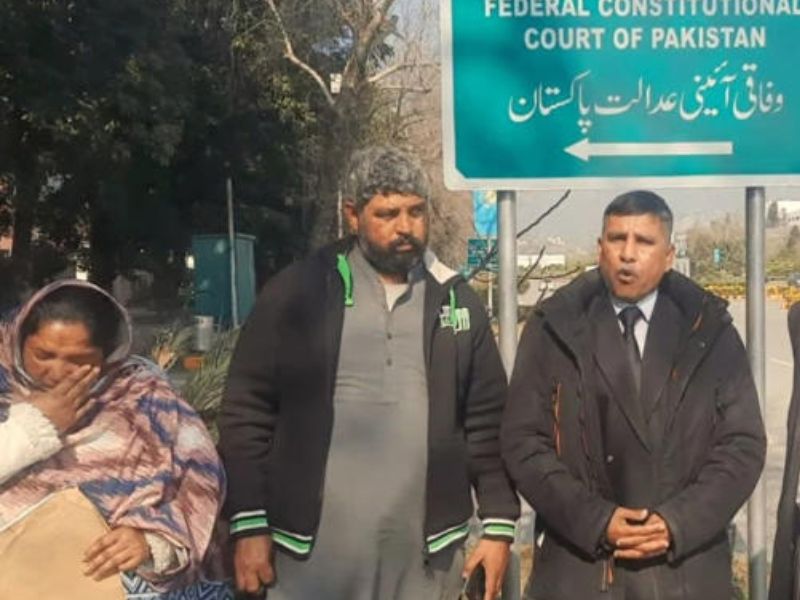
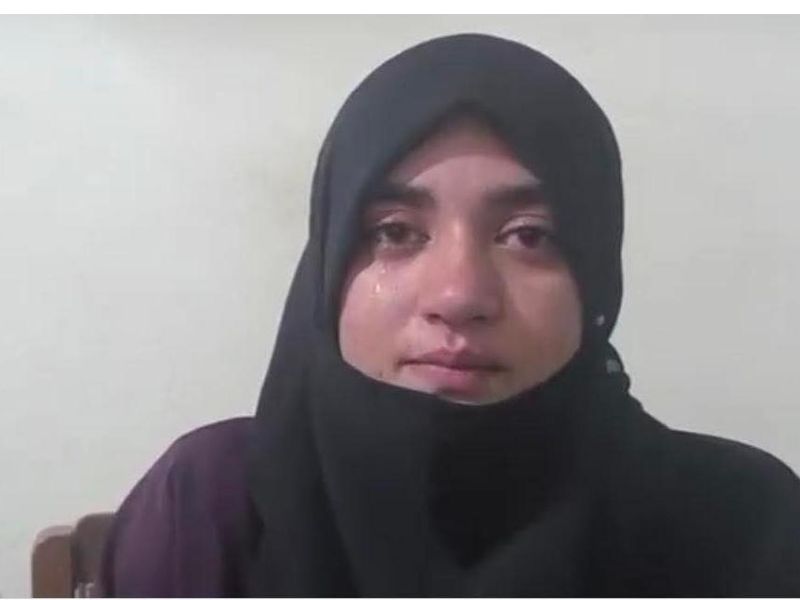
Christian Family in Pakistan Continues Search for Justice After Daughter’s Alleged Abduction PUNJAB, PAKISTAN — A Christian family in Pakistan is continuing its legal battle for justice after their teenage daughter was allegedly abducted, forcibly converted, and married against her will, a case that has drawn concern from human rights advocates and religious freedom organizations. The family says their daughter disappeared under suspicious circumstances before later being presented as having voluntarily converted to Islam and entered into marriage. Her parents strongly reject those claims and maintain that she was a minor at the time of her disappearance. The case has become part of a broader conversation about the vulnerability of religious minority girls in Pakistan and the challenges families often face when seeking legal protection and justice. Family Challenges Official Narrative According to the girl’s family, official records, including birth and educational documents, indicate that she was underage when she was allegedly taken from her home. They argue that any purported conversion or marriage involving a minor cannot be considered lawful or genuinely voluntary. The family has spent years pursuing legal remedies through the courts, seeking recognition of their daughter’s age and a full investigation into the circumstances surrounding her disappearance. Human rights advocates supporting the family have called for authorities to carefully review all evidence and ensure that the rights and welfare of the young woman remain the primary concern. The family says their daughter disappeared under suspicious circumstances before later being presented as having voluntarily converted to Islam and entered into marriage. Her parents strongly reject those claims and maintain that she was a minor at the time of her disappearance. The case has become part of a broader conversation about the vulnerability of religious minority girls in Pakistan and the challenges families often face when seeking legal protection and justice. Concerns Over Forced Conversions and Child Marriage The case has renewed concerns regarding reports of forced conversions and child marriages involving girls from religious minority communities. Rights groups have documented numerous cases in which Christian, Hindu, and other minority families allege that underage girls were abducted and subsequently presented as adults who willingly converted and married. In many cases, disputes arise over age documentation, consent, and the circumstances under which statements are obtained. Advocates argue that stronger safeguards are needed to protect vulnerable children and ensure that age verification processes are accurate, transparent, and consistent. Human Rights Organizations Call for Reform Human rights defenders continue to urge Pakistan’s authorities to strengthen protections for minors, improve investigative procedures in abduction cases, and ensure that all allegations of coercion are thoroughly examined. Legal experts emphasize that cases involving children require special protections and that courts must carefully evaluate evidence relating to age, consent, and potential coercion before reaching conclusions. They further stress that international child protection principles require the best interests of the child to remain central in all legal proceedings. The Ongoing Pursuit of Justice For the family, the case represents more than a legal dispute—it is a deeply personal struggle to secure justice and accountability for their daughter. Despite years of legal challenges and setbacks, they continue to seek recognition of what they believe occurred and hope that the justice system will ultimately provide a fair and impartial resolution. Their determination has drawn support from faith leaders, civil society organizations, and human rights advocates who view the case as emblematic of wider concerns affecting vulnerable minority communities. Equiis Statement Equiis stands in solidarity with families seeking justice in cases involving alleged abduction, coercion, child marriage, and violations of fundamental human rights. Every child deserves protection, safety, and the opportunity to live free from exploitation and coercion. Authorities have a responsibility to ensure that allegations are thoroughly investigated, that evidence is carefully examined, and that the rights of vulnerable individuals are fully protected. Equiis calls for transparency, accountability, and a commitment to safeguarding the rights and dignity of all children, regardless of their religious or social background. Justice for one vulnerable child helps strengthen protections for countless others.