
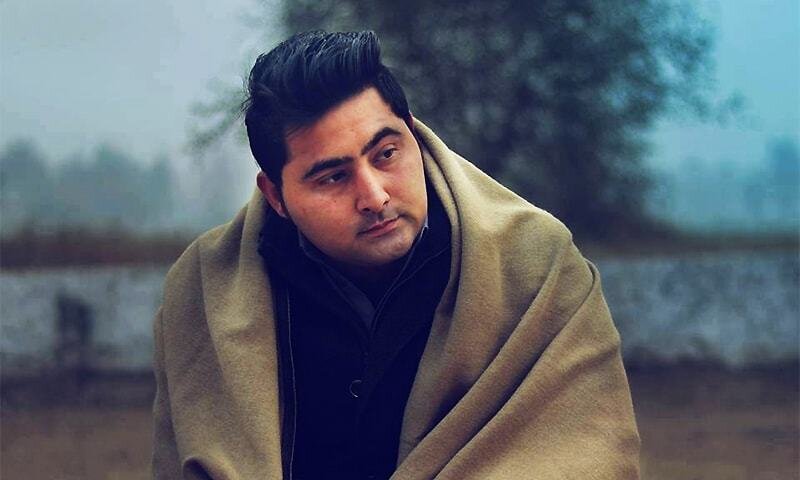
On April 13, 2017, Pakistan lost one of its brightest young minds when 23-year-old university student Mashal Khan was brutally murdered by a mob after being falsely accused of blasphemy.
Nearly a decade later, his name remains a powerful symbol of the dangers posed by false blasphemy allegations, mob violence, and the failure to protect innocent people from religiously motivated persecution.
A Student Who Asked Questions
Mashal Khan was a journalism student at Abdul Wali Khan University in Mardan, Khyber Pakhtunkhwa. Friends and classmates described him as intellectually curious, outspoken, and passionate about social justice. He was known for questioning corruption, advocating for reform, and encouraging critical thinking among his peers.
His willingness to challenge wrongdoing reportedly made him unpopular with certain individuals within the university. What followed would ultimately cost him his life.
The False Allegations
In April 2017, rumors began circulating that Mashal had posted blasphemous content online. Despite the seriousness of the accusations, no credible evidence was presented against him.
Subsequent investigations conducted by Pakistani authorities concluded that there was no evidence that Mashal Khan had committed blasphemy. Investigators found that the allegations had been fabricated and used as a tool to silence him and settle personal grievances.
However, by the time the truth emerged, it was already too late.
Lynched by a Mob
On April 13, 2017, a violent mob of students and others stormed Mashal Khan’s university dormitory. He was beaten, stripped, shot, and murdered in a horrific act of mob violence.
Videos of the attack shocked Pakistan and the international community. The brutality of the killing highlighted the deadly consequences that can result when accusations of blasphemy are weaponized and individuals are denied due process and protection.
A Symbol of a Larger Problem
Mashal Khan’s murder was not an isolated incident. Human rights organizations have repeatedly documented how blasphemy allegations in Pakistan are often misused to target religious minorities, settle personal disputes, silence critics, or pursue vendettas.
Even when accusations are proven false, those accused frequently face threats, imprisonment, social exclusion, displacement, or death. In many cases, entire families are forced into hiding for their safety.
The climate of fear surrounding blasphemy accusations continues to endanger vulnerable individuals across the country.
Calls for Justice and Reform
Following Mashal’s murder, several perpetrators were prosecuted and convicted. While these convictions represented an important step toward accountability, many advocates argue that deeper reforms are necessary to prevent similar tragedies.
Human rights defenders continue to call for stronger protections against false accusations, safeguards for those accused, and measures to combat mob violence and religious extremism.
Why We Remember
At Equiis.org, we remember Mashal Khan not only as a victim but as a young man whose life was stolen because truth was overwhelmed by hysteria and false allegations.
His story serves as a reminder that every individual deserves the right to freedom of thought, expression, education, and due process under the law.
As long as false blasphemy accusations continue to place innocent lives at risk, the memory of Mashal Khan remains a call for justice, accountability, and the protection of fundamental human rights.
Remember his name. Remember his story. And remember why it must never happen again.